UNITED NATIONS HUMAN RIGHTS COUNCIL
61th session
General Debate Item 2
Joint Statement on the Human Rights Situation in Ethiopia
Mr. Chair,
I am making this statement on behalf of a group of 41 countries.
We appreciate Ethiopia’s continued engagement with UN human rights mechanisms, including its constructive participation in the review by the Committee on the Rights of the Child and in the 4th UPR cycle, and look forward to maintaining an open and constructive dialogue.
As Ethiopia prepares for the general elections in June, we underline the importance of safeguarding the rights to freedom of expression, peaceful assembly and association in the country. We regret the further shrinking of the closed civic space in Ethiopia, including continued intimidation and harassment, arbitrary arrests and detentions of human rights defenders and independent media and journalists, while many have been forced into exile. Full respect for civil and political rights for all and a free civil society and media environment are preconditions for the conduct of free and fair elections, and we call on Ethiopia to abide by its international human rights obligations and reverse the current negative trend.
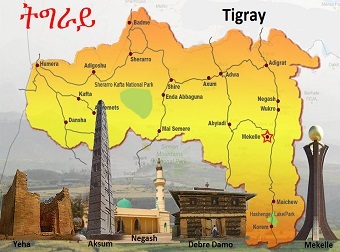
We have been following with great concern recent developments in Northern Ethiopia that have included military confrontations and clashes. Immediate de-escalation by all parties is imperative to prevent a renewed conflict that would have serious consequences for civilians and regional stability. We call on the Government of Ethiopia and all other actors to take concrete action to end ongoing human rights violations and abuses in areas of conflict, including in Amhara, Oromia, and Tigray. We recall the importance of the Pretoria Agreement, which remains the cornerstone of peace and stability in the country and to the benefit of the wider region, and needs to be upheld as the framework for resolving disputes through dialogue. All parties must refrain from further violations and abuses. We urge the authorities to uphold human rights across the country, ensure justice and accountability for all victims and survivors of grave human rights violations and abuses, including the killing of humanitarian workers, and adopt a victim and survivor-centred approach. We also recognise the important role of regional organisations, including the African Union and IGAD, in supporting dialogue and stability.
We remain concerned by the stalled Transitional Justice process and underline the need of its full and swift implementation. Credible transitional justice, including accountability processes, is not only crucial for the victims and survivors, but also to ensuring lasting peace and reconciliation in the country. We call on Ethiopia to demonstrate its commitment by ensuring a comprehensive, victim-centred, inclusive and genuine approach to transitional justice and to take immediate decisive steps to ensure accountability for all violations of international humanitarian law and human rights law.
We urge the Government to implement the recommendations of the 2023 joint report of OHCHR and the Ethiopian Human Rights Commission (EHRC). With regard to the draft Transitional Justice legislation, we underline the importance of conducting broad and inclusive consultations with all relevant stakeholders, including civil society and victims’ groups, and of ensuring that any legislation adopted is fully aligned with international human rights standards, the African Union Transitional Justice Policy and relevant UN standards. The independence of EHRC is of paramount importance to fully support the implementation of the Transitional Justice process and also for its role in human rights monitoring and reporting. We emphasize the important roles of the Transitional Justice Prosecutor’s Office, The National Commission for Truth and Social Cohesion and the Vetting Commission set up under the Transitional Justice Code. The effective functioning of these bodies will depend on the existence of genuine political will, adequate resources and strong institutional safeguards ensuring their independence and credibility.
We also call on Ethiopia to commit to the National Dialogue initiative and stand ready to accompany Ethiopia with the implementation of the 4th cycle Universal Periodic Review (UPR) recommendations.
We encourage the Government of Ethiopia to take advantage to the fullest extent of the technical assistance available in the Office of the High Commissioner in the country, and encourage the Office to continue to monitor the situation and keep this Council informed.
Thank you.
To Read this statement from the official EUROPEAN UNION WEBSITES please click here